
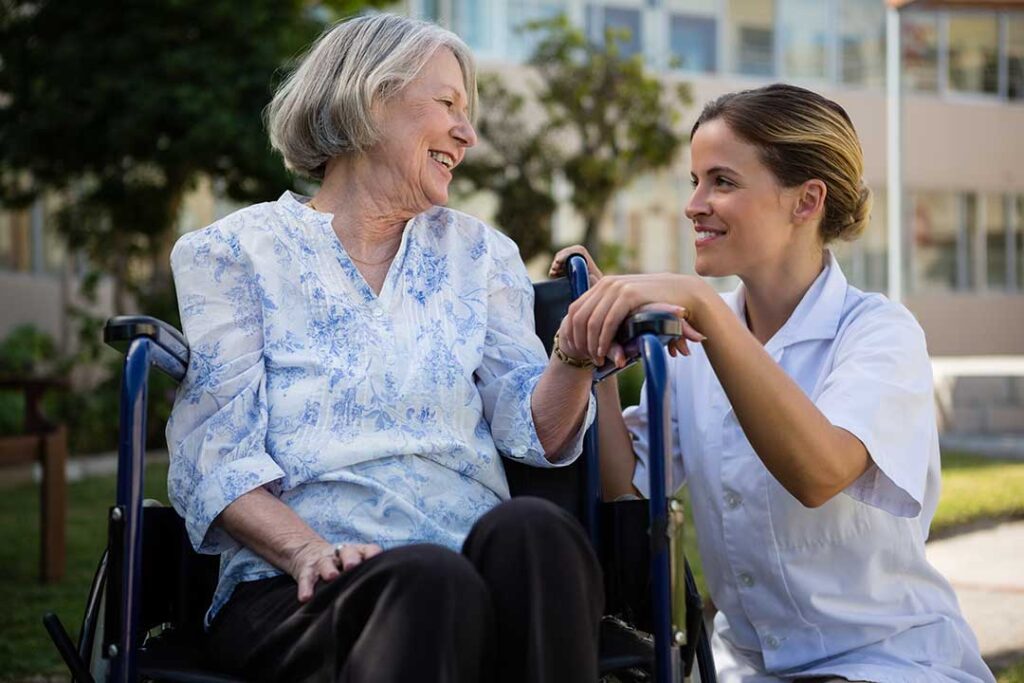
Why Are Falls a Real Concern in Assisted Living?
Falls are the leading cause of injury among older adults, especially in assisted living settings. In Newtown, PA, seasonal weather changes and varying home designs add specific challenges. Residents and families often wonder how to make daily routines safer. By understanding the most common risks and acting early, many falls can be prevented.
What Everyday Hazards Increase Fall Risk?
Simple changes in hallways, bedrooms, and bathrooms make a big difference. In the city, many homes feature multi-level layouts or carpeted rooms, both of which can hide trip hazards. Commonly overlooked factors include:
- Loose rugs that curl or bunch up
- Unsecured electrical cords along walkways
- The absence of nightlights on familiar routes
- Shoes without non-slip soles worn inside
Wet leaves at entrances in the fall and slippery walkways in icy winters are also significant risks for Newtown residents.
Which Home Modifications Prevent Falls Most Effectively?
A few key adjustments lower risk dramatically. For those living in or visiting an assisted living apartment:
- Install grab bars next to toilets and inside showers.
- Replace thick, uneven rugs with non-slip mats or remove them entirely.
- Adjust the height of beds and chairs so standing up is easier.
- Secure all loose wires along walls or cover them with cord protectors.
Handrails on both sides of stairways, especially in older homes with narrow or steep stairs, offer extra security.
How Can Residents Stay Safer During Newtown’s Winter and Fall Seasons?
The city’s winters can create icy, unpredictable sidewalks. Residents may worry about venturing outside. Before heading out, check walkways for ice patches, and keep sand or kitty litter by the door to add traction on outdoor steps. Clean fallen leaves promptly—wet leaves can be just as slippery as ice.
Make it a routine to switch to shoes or boots with ridged, non-slip soles for daily outdoor tasks in slippery months.
Are There Mobility Aids That Genuinely Help?
Walkers, canes, and rollators offer important support, but only if chosen and adjusted correctly. The device must be suited to both the user’s height and the specific terrain in and around the home. Many local residents find rolling walkers with hand brakes helpful, especially on the city’s sloped sidewalks. However, using hand brakes safely requires practice—talk through instructions and test them indoors first.
A frequent mistake is relying on furniture for balance. Chairs and tables can shift unexpectedly, so it’s safer to use mobility devices properly, even for short trips across a room.
What Role Do Lighting and Visibility Play?

Good lighting improves safety significantly, especially at night. Install automatic or motion-sensor nightlights in hallways, bathrooms, and bedrooms. Dim or yellowed bulbs should be replaced with bright, neutral LED bulbs to help distinguish steps and furniture edges.
In a multi-generational Newtown household, keep pathways clear of toys, shoes, and bags, and remind all members to leave shared spaces clutter-free.
Can Daily Routines Make a Difference?
Regular habits lower fall risk more than some might expect. Examples include:
- Taking time to stand up slowly from beds or chairs
- Always turning on a light before walking at night
- Keeping a cordless phone or emergency call button nearby
Some local residents skip daily stretching or balance exercises. Gentle routines—even seated ones—can help maintain stability and confidence.
Are Medications or Health Conditions Overlooked Causes?
Certain medications cause dizziness or drowsiness. Discuss possible side effects with a healthcare provider, especially for prescriptions like blood pressure or sleep medications. Consider scheduling pill times to avoid overlap with walking-intensive activities.
Vision changes, blood sugar swings, or foot pain can unexpectedly trigger falls if not addressed. Regular checkups and open conversations about balance, vision, and strength issues are important for those living in assisted living settings.
How Can Family and Neighbors Support Fall Prevention?
Visitors and family members can unintentionally add clutter or rearrange items. It helps to keep commonly used belongings within easy reach, and to avoid moving chairs or storage bins without asking.
Neighbors in the community often lend a hand with yardwork or snow clearing; coordination ensures entries and driveways are consistently safe through the seasons.
