

What Feelings Are Normal When Considering Assisted Living?
Feeling a range of emotions is common for Newtown, PA residents thinking about assisted living. Uncertainty, sadness, relief, and even guilt or anxiety often arise as individuals and families navigate this significant change.
Many people worry about losing independence, their daily routines, and familiar surroundings. At the same time, some feel a sense of relief at the prospect of more support and safety. These mixed feelings are typical. Recognizing them as part of a normal adjustment process can make it easier to talk openly with loved ones and others in the community. Area residents often share that having honest conversations with friends or neighbors who have gone through similar experiences can be reassuring.
How Can I Decide if I’m Ready Emotionally?
You might be more emotionally ready than you realize. The desire for added safety, easier social connection, or less upkeep at home signals that your well-being matters to you. Emotional readiness is less about feeling excited and more about feeling capable of facing change.
Some ways to gauge your readiness:
- You’ve started discussing what matters with trusted family or friends.
- You find yourself thinking about your current challenges and how a supportive environment could help.
- The idea of more social options or easier access to care brings some comfort, even if letting go of your home feels hard.
There is no universal "right" feeling. Readiness may grow with time and information.
What Practical Steps Help Ease the Transition?
Beginning small makes the emotional transition smoother for many in the community. Taking gradual steps provides space to adjust emotionally, rather than feeling pressured to make sweeping changes overnight.
Consider these practical approaches:
- Visit local residences to better understand daily life and environment.
- Talk with current residents about their experiences.
- Begin sorting through personal belongings, deciding what to bring at a comfortable pace.
- Attend events or community gatherings open to the public in area assisted living settings.
Routine is important in Newtown households; preserving favorite activities or familiar décor helps the new space feel more like home. Bringing a favorite reading chair, photos, or cherished items from your current residence can provide daily comfort.
How Do Family Dynamics Affect Emotional Preparation?
Navigating family conversations is often one of the most emotionally charged parts of this process. People in Newtown describe both support and tension in these talks.
A few strategies can make these discussions less stressful:
- Share your preferences early and honestly.
- Invite family to express their hopes and concerns, but keep the focus on your wishes and well-being.
- Involve loved ones in visits or decisions if you want their support, but clarify roles ahead of time.
- Local residents suggest setting boundaries if you feel pressured; remember, these decisions are about your future comfort and happiness.
Recognizing that family members may also experience their own emotional responses—such as worry or sadness—can make conversations more compassionate.
What If I Feel Lonely, Sad, or Overwhelmed?
These emotions catch many off guard, especially after moving. Even those who felt prepared may feel a sense of loss or sadness during the adjustment period.
Coping with these feelings often involves:
- Establishing daily routines as quickly as possible.
- Making small efforts to connect with neighbors or staff, even for just a friendly greeting.
- Staying involved in favorite hobbies or community groups that connect you to familiar faces from outside the residence.
- Reminding yourself that it’s normal for adjustment to take weeks or months, especially when moving during a season requiring indoor activities, such as winter in the area.
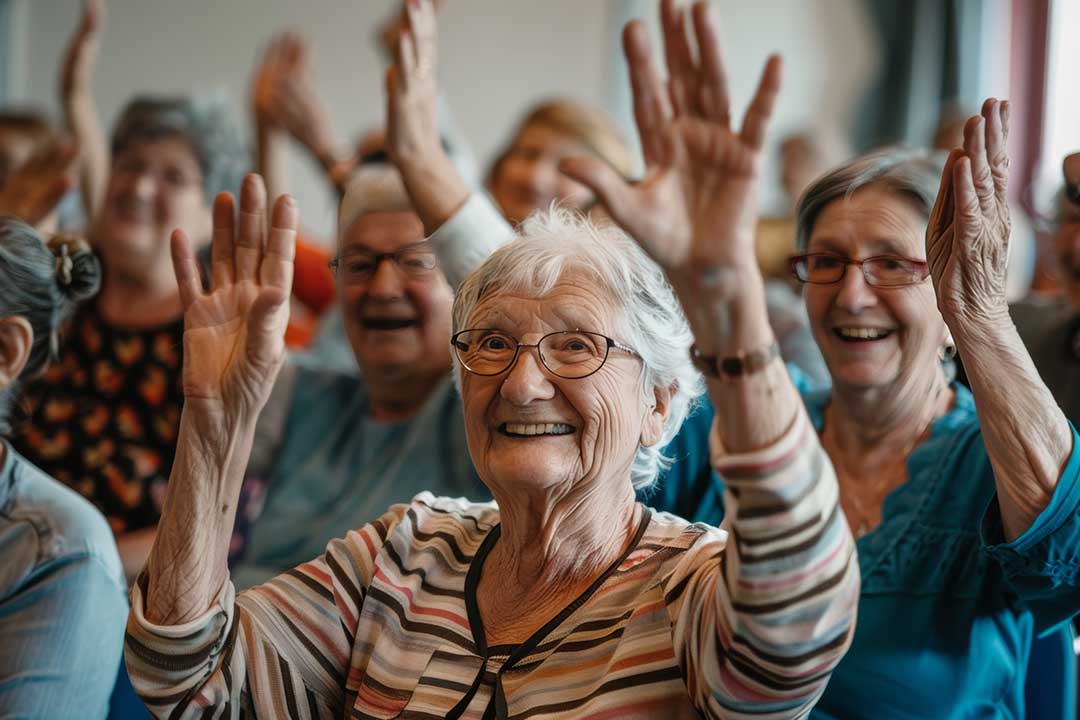
Some find that writing down thoughts or keeping a journal helps sort out complicated emotions. Others reach out to supportive listeners, whether friends, spiritual leaders, or neighbors who have gone through similar life changes.
How Can I Stay Connected to My Sense of Self and Community?
Maintaining identity sometimes feels challenging when changing environments. Newtown residents often value close ties to neighborhood traditions, parks, or local clubs.
Finding ways to keep those connections strong can ease emotional transitions:
- Continue attending local faith services, library events, or hobby clubs if possible.
- Invite old friends or neighbors for visits—outdoors when weather allows, since seasonal gatherings are common here.
- Share personal stories, photos, or interests with new neighbors, which often sparks easy conversation.
- Contribute to group activities that make use of your talents or interests—like gardening, reading, or volunteering—since local assisted living communities often welcome resident-run events.
Prioritizing ongoing connection to the people, places, and routines that define you helps preserve independence and well-being.
What Common Misconceptions Make Emotional Preparation Harder?
Many anticipate only loss or limitation, yet discover unexpected benefits after moving. Others may expect to feel instantly at home, but find it takes longer.
Common myths include:
- "It means giving up control completely." In reality, most local residences allow for plenty of choice in daily schedules and activities.
- "Friendship and social life won’t feel the same." Over time, new residents often find real companionship and mutual support.
- "It means I’m no longer independent." Assisted living primarily offers support so residents can continue doing as much for themselves as possible.
Understanding what’s true about these environments, informed by real-life experiences of friends or local neighbors, can make emotional preparation more realistic and less daunting.
