
What Do Volunteers Do in Assisted Living Communities?
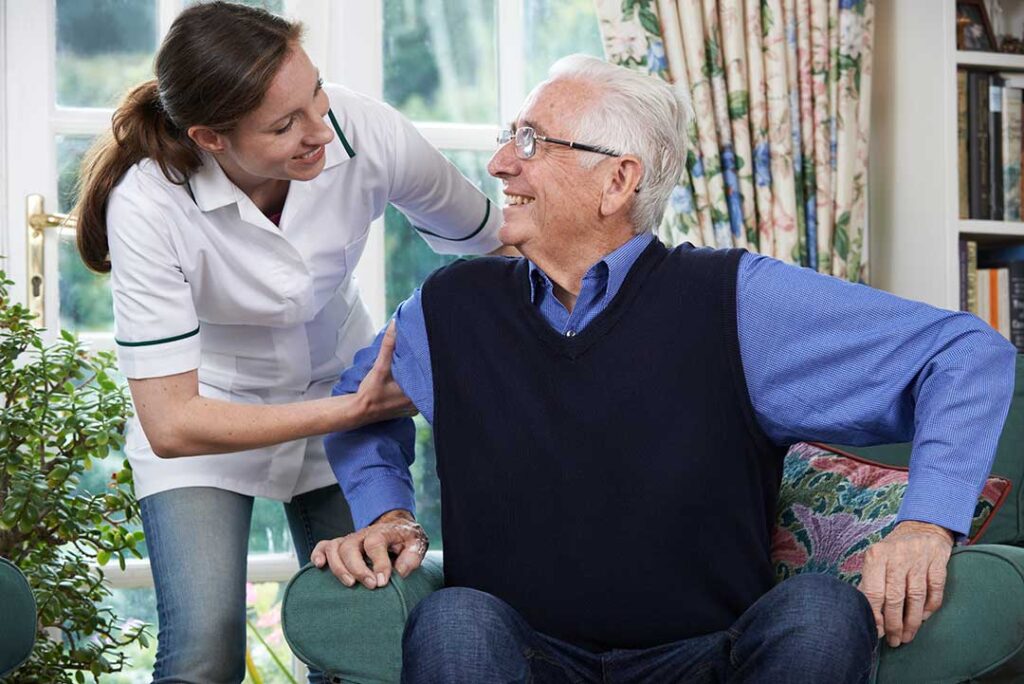
Volunteers fill diverse roles in assisted living communities, helping enhance the daily experiences of residents beyond what regular staff provide. Their contributions typically include leading activities, offering companionship, assisting with events, and supporting the logistics of special programs. By stepping into non-clinical roles, volunteers allow staff more time to focus on residents' health and daily care while ensuring a richer, more connected social environment.
Some practical examples of volunteer roles include:
- Reading aloud or sharing personal stories with small groups
- Guiding art classes, music sessions, or craft workshops
- Assisting with gardening activities or seasonal decorating
- Helping organize social gatherings, holiday events, or birthday celebrations
- Playing board games, cards, or completing puzzles with residents
- Providing support during outings or community walks
Why Are Volunteers Valuable to Residents and Families?
Volunteers benefit residents by adding warmth, varied conversation, and unique talents that help reduce social isolation. For many local elders, especially those with limited mobility or families far away, volunteers provide meaningful human connection and consistent, friendly faces in the community.
Volunteers can also be a source of comfort to families. When relatives see their loved ones engaged, laughing, and forming bonds with community members, it reassures them about their family member’s emotional well-being. For some families in Newtown, the chance for their loved one to interact with volunteers from similar backgrounds or interests holds special significance.
How Do Assisted Living Staff and Volunteers Work Together?
Volunteers collaborate with activity directors, social workers, and healthcare professionals to complement—never replace—the work of trained staff. While volunteers lead non-medical activities or lend a helping hand during events, trained staff remain responsible for any personal care, medical needs, and safety protocols.
Staff often orient volunteers, communicate community guidelines, and review activity plans. This partnership allows the community to benefit from an expanded variety of activities and more flexible support, especially valuable during holidays or busy periods.
Who Can Become a Volunteer, and What Is the Process?
Many volunteers are retirees, students, or adults seeking purposeful engagement with elders in their area. Some are family members of current or former residents, while others come through local churches, schools, or civic groups. Age requirements and schedules may vary, but most communities have a simple screening and orientation process designed to ensure safe, positive experiences for everyone involved.
Common steps include:
- Submitting an application and receiving an interview
- Undergoing background checks, which are standard for roles involving vulnerable adults
- Completing orientation on policies, resident privacy, and emergency procedures
- Shadowing staff or experienced volunteers before independent volunteering
Do Volunteers Need Specialized Training or Certifications?
Volunteers are not expected to have medical certifications or professional caregiving experience. Instead, orientation sessions cover community rules, dementia awareness, and ways to safely assist with recreational activities. Some volunteers develop additional skills over time, such as communicating with residents who have memory loss or leading adapted fitness classes, but these skills are acquired gradually.
In Newtown, volunteers should be comfortable with the area’s seasonal rhythms, common mobility needs, and the community’s preferred recreation styles, such as indoor board games during colder months or guided strolls in mild weather.
Are Volunteers Allowed to Help With Personal Care Tasks?
Typically, volunteers do not assist with personal care such as bathing, grooming, or administering medications. That remains strictly the responsibility of trained staff for safety and regulatory reasons. Volunteers’ greatest value lies in supporting non-clinical aspects of daily living—conversation, recreation, emotional support, and community engagement.
How Do Volunteer Programs Foster Community Connections?
Volunteer-supported programs often open doors between assisted living communities and the wider area. For instance, high school groups may visit for seasonal talent shows, or local service clubs might organize gardening days. These projects create opportunities for residents to remain active participants in civic life and to enjoy intergenerational interactions.
Volunteers often become local ambassadors, sharing stories of their experiences and encouraging others to become involved, which helps sustain a sense of shared community responsibility.
Are There Misconceptions About Volunteering in Assisted Living Communities?
A common misconception is that only those with specific skills or extensive time can be effective volunteers. In reality, reliability, friendliness, and willingness to learn are far more important than formal qualifications. Some potential volunteers also worry they’ll only be able to help with physical tasks, when in truth social connection and creative engagement are often the biggest needs.
It’s also sometimes misunderstood that volunteering is primarily for the benefit of residents, but many volunteers report gaining new perspectives, skills, and friendships through their work.
