
What seasonal activities work well for assisted living residents?
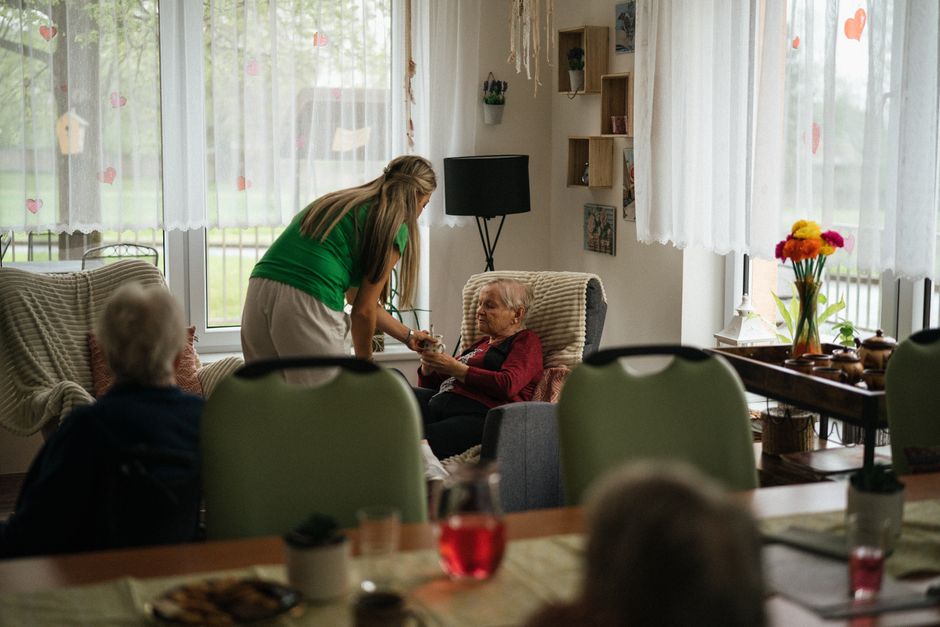
Seasonal activities work best when they are familiar, flexible, and easy to adapt. Residents may enjoy outdoor time, creative projects, food traditions, music, conversation, and simple ways to observe changes in nature without needing to travel far or manage complicated schedules.
For residents in Newtown, PA, seasonal planning should account for humid summers, changing temperatures in spring and fall, winter ice, and occasional weather disruptions. Activities should always include an indoor alternative, especially for people with limited mobility, respiratory concerns, balance problems, or sensitivity to heat and cold.
A useful activity calendar can include:
- Movement: Short walks, seated exercises, stretching, or gentle dancing
- Sensory experiences: Flowers, herbs, seasonal foods, music, fabrics, and familiar scents
- Social opportunities: Small-group discussions, card games, storytelling, and shared meals
- Creative projects: Painting, decorating, arranging flowers, or making simple crafts
- Memory-based activities: Looking at photographs, discussing traditions, or listening to music from a resident’s younger years
The purpose is not to fill every hour. A balanced schedule gives residents meaningful choices while leaving enough time for rest.
Which spring activities are appropriate for older adults?
Spring activities can focus on renewal, nature, and light outdoor engagement. The most suitable choices are those that do not require long periods of standing or walking.
Residents may enjoy planting herbs or flowers in raised containers, window boxes, or tabletop planters. Gardening can be adapted for people who use wheelchairs or walkers by placing materials at a comfortable height. For residents who cannot participate physically, smelling herbs, sorting seeds, or choosing colors for plant markers can provide a similar sense of involvement.
Other spring ideas include:
- Bird-watching from a window, porch, or accessible outdoor area
- Creating watercolor paintings of flowers and trees
- Sorting and arranging artificial or fresh flowers
- Hosting a spring music hour with familiar songs
- Preparing fruit salads, lemon desserts, or simple sandwiches
- Sharing memories about school days, gardening, holidays, or spring traditions
- Taking short outdoor walks during mild weather, with seating available nearby
Pollen can be a concern in spring. Residents with allergies may prefer indoor nature activities, such as observing plants through a window or working with low-scent materials. Wet grass, uneven walkways, and muddy surfaces also create fall risks.
How can summer activities remain safe and enjoyable?
Summer activities should take place during cooler parts of the day and should include shade, water, seating, and access to air-conditioned spaces. Heat can affect older adults more quickly than expected, even when an activity feels mild.
Indoor activities may be preferable during hot or humid periods. Residents can participate in ice cream-themed conversations, tropical music programs, summer cooking demonstrations, or crafts using bright colors and lightweight materials. A tabletop “summer market” can include baskets of peaches, tomatoes, corn, or other seasonal foods for residents to identify and discuss.
Outdoor options may include:
- Seated patio visits in the morning or early evening
- Container gardening in shaded areas
- Gentle balloon volleyball or scarf toss
- Outdoor concerts kept short and seated
- Watercolor painting using summer scenes
- Reading groups near an open window or shaded garden area
- Ice pops, fruit tastings, or flavored water stations
Hydration should be planned rather than left to chance. Offering fluids regularly, using easy-to-hold cups, and watching for unusual tiredness, dizziness, headache, confusion, or weakness can help reduce heat-related risks. Some residents may need reminders or assistance because thirst becomes less noticeable with age.
What fall activities encourage conversation and participation?
Fall naturally supports reminiscence, sensory activities, and group conversation. Changing leaves, cooler air, seasonal foods, and familiar celebrations provide many prompts for residents to share personal experiences.
A fall table can include pinecones, leaves, apples, pumpkins, fabric scarves, and photographs of autumn scenes. Residents can sort objects by texture or color, create a centerpiece, or discuss how seasonal routines have changed over the years.
Practical fall activities include:
- Decorating small pumpkins with paint, stickers, or fabric
- Baking or sampling apple, cinnamon, or pumpkin-flavored foods
- Making leaf collages with large, easy-to-handle materials
- Listening to music associated with school, harvest, or family gatherings
- Holding a sweater-weather reading group
- Discussing family recipes and recording favorite ingredients
- Taking short walks to view foliage when paths are dry and accessible
Fall weather can change quickly. A light jacket, comfortable footwear, and an indoor option are useful. Outdoor areas should be checked for wet leaves, low branches, uneven pavement, and reduced visibility during late afternoon activities.
What winter activities help residents stay active indoors?
Winter activities should provide movement, social contact, and sensory variety without requiring exposure to icy sidewalks or very cold temperatures. Indoor programs can be just as meaningful as outdoor ones when they are planned around residents’ interests.
Seated exercise is a practical winter option. Gentle leg movements, arm circles, stretching, rhythm exercises, and chair dancing can support mobility without placing heavy demands on balance. Activities should be paced slowly, and residents should be allowed to participate at their own comfort level.
Other winter ideas include:
- Making greeting cards or seasonal decorations
- Hosting a hot beverage tasting with caffeine-free choices
- Watching nature footage and discussing local wildlife
- Completing large-piece puzzles or cooperative games
- Holding a “winter memories” conversation group
- Preparing simple soups, baked goods, or no-cook snacks
- Listening to live or recorded music
- Creating a family-history display with photographs and captions
Winter gatherings should consider illness prevention. Smaller groups, good ventilation, hand hygiene, and flexible attendance can help residents participate while reducing unnecessary exposure during periods of respiratory illness.
How should activities be adapted for residents with memory loss or mobility limitations?
Activities should be adjusted to the resident rather than expecting every resident to participate in the same way. Someone with memory loss may enjoy folding towels, sorting objects, listening to familiar music, or arranging flowers even if a complex craft is frustrating.
Helpful adaptations include:
- Use large, lightweight, easy-to-see materials
- Offer one or two steps at a time
- Demonstrate the activity instead of relying only on verbal instructions
- Provide seated and standing options
- Avoid excessive noise, clutter, or time pressure
- Let residents observe without requiring participation
- Use familiar objects and routines whenever possible
- Stop or change the activity if a resident appears tired, distressed, or uncomfortable
A resident who does not finish a project may still benefit from touching materials, talking with others, or making a single choice. Participation does not need to produce a completed craft or measurable result.
How can families support seasonal engagement?
Families can provide familiar materials, photographs, recipes, music suggestions, or stories connected to a resident’s past. A small box of safe seasonal objects—such as fabric leaves, postcards, recipe cards, or gardening tools—can help start conversations.
Family members can also ask specific questions rather than general ones. “Did you ever grow tomatoes?” may prompt more memories than “What did you do in the summer?” Written labels on photographs and short notes about traditions can help activity leaders create more personal programs.
Seasonal activities are most effective when they offer choice, respect energy levels, and connect residents with familiar sights, sounds, tastes, and stories. A quiet window-side conversation, a short walk on a mild afternoon, or helping arrange flowers can be as meaningful as a larger group event.
