
Can couples stay together when their care needs are different?
Often, yes. Assisted living can support couples who want to remain together even when one person needs more help with daily activities, medication management, mobility, or memory support than the other.
The key is finding a living arrangement that provides shared time and privacy while allowing each person to receive an appropriate level of assistance. Couples may live in the same apartment, separate rooms within one residence, or nearby apartments, depending on the community’s layout, care policies, and the couple’s preferences.
A move does not have to mean that both spouses receive identical services. Care plans are generally based on each person’s abilities, health conditions, routines, and safety needs.
How are different care needs handled in the same household?
Each spouse should have an individual assessment and care plan. Although they share a home and many activities, their daily support may look very different.
For example:
- One spouse may need help with bathing, dressing, or transferring safely.
- The other may remain independent with personal care but need reminders for medications or appointments.
- One person may require memory-support routines, while the other participates in a more flexible assisted living schedule.
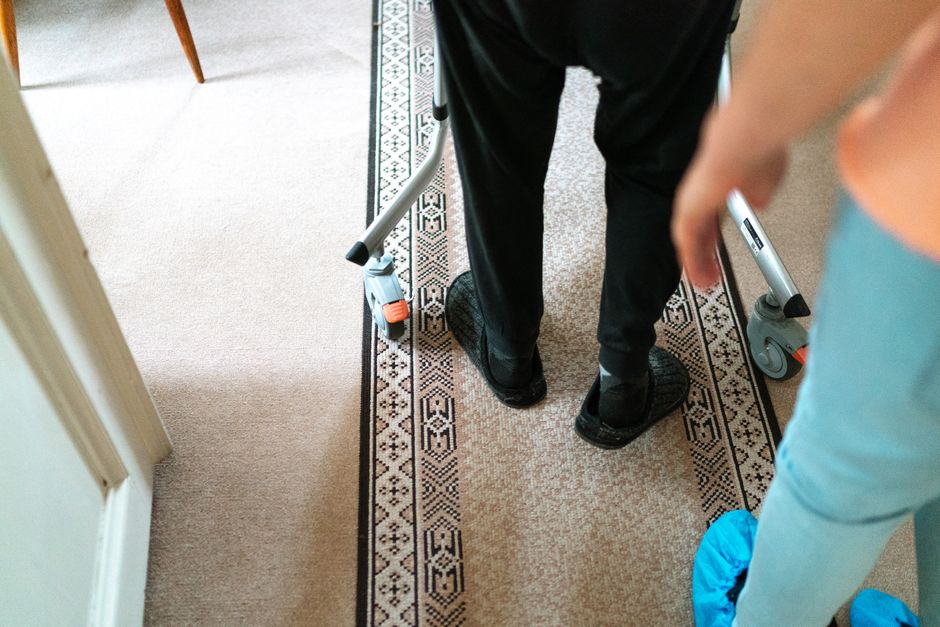
- A spouse with limited mobility may need transportation assistance, while the other continues walking independently within the residence.
Separate care plans help prevent two common problems: providing too little support to the person who needs more help, or requiring the more independent spouse to follow unnecessary restrictions.
In practical terms, staff may assist one spouse in the morning while the other sleeps, then help both prepare for meals or activities. This can reduce the pressure on the healthier spouse to act as a full-time caregiver.
Can a more independent spouse still maintain privacy and independence?
Yes. Assisted living is not intended to eliminate personal choice. A spouse who is more independent may continue choosing when to wake up, what activities to attend, how to spend free time, and whether to participate in group meals or programs.
Couples should ask how the residence handles:
- Private apartments and personal belongings
- Different sleep schedules
- Time apart during the day
- Visitors and overnight guests
- Personal transportation or outings
- Participation in activities
- Quiet hours and household routines
Some couples enjoy doing nearly everything together. Others benefit from having separate interests and schedules. A healthy arrangement leaves room for both patterns without making either spouse feel isolated or controlled.
This is especially relevant for couples who have lived independently for many years. Moving into a setting with shared dining, scheduled activities, and available assistance can feel unfamiliar. Preserving personal routines can make the transition easier.
What if one spouse needs memory care?
Memory-related support may involve more structure than standard assisted living. A person with dementia or another cognitive condition may need secured areas, frequent reminders, help with orientation, or supervision during parts of the day.
The other spouse may not need those services. In that situation, couples may be able to live in the same building with different care arrangements, share selected meals and activities, or spend regular time together in common areas.
A major question is whether the residence can support both needs without placing responsibility on the independent spouse. A husband or wife should not be expected to monitor wandering, manage medication, provide personal care, or supervise unsafe behavior simply because the couple lives together.
The couple’s relationship can remain central, but caregiving tasks should be assigned according to the care plan and staff availability.
How can couples manage different schedules and routines?
Different routines are common and can be managed with advance planning. One spouse may rise early, while the other sleeps later. One may prefer quiet afternoons, while the other enjoys social events. One may need assistance at fixed times, while the other wants a less structured day.
Helpful planning questions include:
- Will staff provide assistance according to each person’s schedule?
- Can meals be delivered if one spouse cannot reach the dining room?
- Are there quiet spaces for rest or private conversations?
- Can each spouse attend different activities?
- How are missed meals, appointments, or medication times handled?
- What happens if one spouse’s needs increase?
Couples may also benefit from setting aside predictable shared time, such as breakfast together, an evening television routine, or a weekly family visit. Consistent routines can help maintain connection while allowing each person to receive individualized care.
What happens if one spouse’s health changes?
Assisted living needs can change gradually or suddenly. A fall, hospitalization, worsening memory loss, or a new medical condition may alter what a person can safely do.
The residence should have a process for reassessing care needs and communicating changes with the couple and their designated family members. Important topics include:
- Increased help with transfers or toileting
- Changes in medication management
- New dietary requirements
- Use of mobility equipment
- More frequent supervision
- Short-term rehabilitation after an illness
- Whether a higher level of care may eventually be needed
Couples should discuss these possibilities before a crisis occurs. Planning ahead can reduce rushed decisions and clarify what would happen if one spouse temporarily needs more assistance or can no longer live safely in the same setting.
How does assisted living affect the caregiving spouse?
For many couples, assisted living reduces the physical and emotional strain placed on the spouse who has been providing care. A healthier spouse may still offer companionship, encouragement, and emotional support, but does not have to manage every practical task.
This distinction matters. Spousal support can remain loving and voluntary when it is not driven by exhaustion or fear. A spouse may choose to help with grooming, accompany the other to meals, or participate in activities together. Those actions are different from being responsible for medication administration, lifting, bathing, or constant supervision.
A reduction in caregiving duties may also allow the more independent spouse to focus on personal health, friendships, hobbies, and rest. In some cases, the relationship becomes less defined by illness and more focused on shared experiences.
What should Newtown, PA couples consider before moving?
Local households should consider practical conditions that affect daily comfort, especially during colder months, periods of heavy rain, or changing weather. Safe indoor walking areas, reliable transportation for medical visits, and easy access for family visits may be more important than appearance or amenities.
Questions worth asking include:
- Can both spouses receive appropriate care in the same residence?
- Are care fees or services assessed separately?
- What happens if one spouse needs a different level of support?
- Are apartments accessible for walkers or wheelchairs?
- How are power outages, winter weather, and emergency notifications handled?
- Can family members receive updates while respecting each spouse’s privacy?
- What personal furniture and belongings can be brought?
- Are there procedures for hospital returns or short-term changes in care?
Families should also talk openly about finances, legal decision-making, driving, medication responsibilities, and future care preferences. These conversations may feel difficult, but they help prevent one spouse from carrying all decisions alone.
Is assisted living the same for both spouses?
No. Assisted living should not be treated as a single package that affects both spouses identically. Couples can share a home and a life while receiving different amounts and types of assistance.
The most workable arrangement usually balances three goals: keeping the couple connected, protecting each person’s dignity, and providing enough support for daily safety. Regular care-plan reviews, honest communication, and respect for individual preferences help that balance continue as needs change.
