
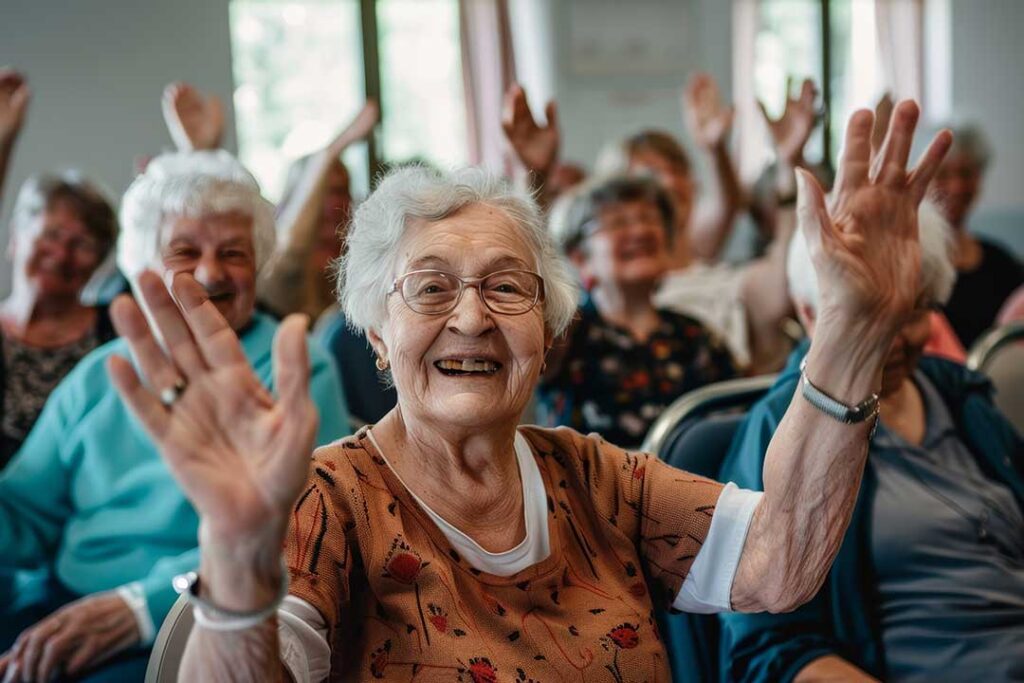
How Does Assisted Living Impact Senior Mental Health?
Assisted living can provide meaningful mental health benefits for seniors by offering socialization, routine, and support that aging at home alone may lack. In Newtown, PA, community features, safety, and tailored daily activities often make a noticeable difference for residents who need a bit of support but value their independence.
Regular interaction with neighbors and staff within a structured daily rhythm supports cognitive function and emotional stability. Diverse activity options and accessible outdoor spaces can alleviate feelings of isolation, while prompt assistance with daily needs reduces stress and anxiety.
What Mental Health Challenges Are Common Among Seniors?
Older adults commonly face challenges like depression, anxiety, loneliness, and cognitive changes, including mild memory issues or more serious conditions like dementia. In many cases, these issues can be exacerbated by living alone, experiencing bereavement, or feeling disconnected from familiar routines.
Other frequent challenges include:
- Adjusting to loss of mobility or independence
- Managing chronic health conditions
- Feeling uncertain after major life transitions, such as moving
Supporting mental wellbeing involves both preventing these issues when possible and responding early if they arise.
How Do Assisted Living Settings Address Emotional Wellbeing?
Assisted living communities create supportive environments by building connections and reducing everyday stresses. In the Newtown area, the smaller-town pace and close-knit neighborhoods mean residents are more likely to build meaningful relationships.
Many local communities offer:
- Group outings, classes, arts and crafts, and interest-based clubs, designed to keep minds active and spirits lifted
- Outdoor walks and gardening, which can help seniors enjoy the local seasons and benefit from nature
- Private and shared spaces for relaxation, reflection, or quiet conversation
Staff are usually trained to observe signs of withdrawal or mood changes and can involve family or medical professionals if concerns arise—helping ensure no one falls through the cracks.
What Should Newtown Families Know About Memory Care vs. General Assisted Living?
Memory care is a specialized form of support for individuals with moderate to advanced memory loss, often offered as a separate section or program within a larger assisted living community. This setting provides extra structure, security, and cognitive engagement opportunities.
Families should understand:
- Not all assisted living settings offer dedicated memory care
- Memory care programs prioritize safety, familiarity, and predictability in routines
- Activities are designed to be failure-free, promoting dignity and minimizing frustration, especially important for residents experiencing dementia
Newtown's climate and suburban layout often allow for secure outdoor spaces that support safe wandering and gentle physical activity, both valued in quality memory care.
How Are Mental Health Concerns Identified and Managed in Assisted Living?
Early identification of mental health concerns is supported by frequent check-ins from staff, regular assessments, and a culture of openness with residents and families. Assisted living communities ensure support by:
- Encouraging residents to participate in group settings, where changes in mood or personality are often easier to spot
- Providing on-site or on-call access to counseling or social work services
- Facilitating transportation or telehealth appointments with primary care or mental health professionals

Local support is often tailored with awareness of seasonal affective disorder during Pennsylvania's lengthy winters or increased mobility issues during icy months.
How Does Socialization Affect Seniors’ Mental Health?
Close social ties help reduce depression and anxiety among older adults. In assisted living, daily contact with neighbors and staff makes social isolation far less likely.
For local residents, this means:
- Sharing seasonal activities like gardening in spring, watching snowfall from safe, communal areas in winter, or enjoying summer evening socials
- Participating in faith-based groups, book clubs, or exercise classes that reflect community interests
- Having access to visiting volunteers and intergenerational programs with local schools or scouts
These regular interactions offer more than entertainment—they help foster a sense of belonging and purpose.
How Can Seniors and Their Families Support Ongoing Mental Health in Assisted Living?
Continued mental wellness depends on engagement, open communication, and adapting support as needs change. Some strategies include:
- Staying involved: Family visits, phone calls, and video chats can help anchor residents in their lifelong relationships
- Monitoring changes: Noticing differences in appetite, sleep, mood, or social participation and sharing concerns with staff
- Exploring creative outlets: Art, music, and writing often spark joy and memory, regardless of physical ability
For Newtown families, remaining connected to their loved one’s experience within the community—while relying on the extra support provided—can make all the difference in supporting lasting mental and emotional health.
